4.9 Stars | 200+ ReviewsGoogle
Fences · Decks · Gates
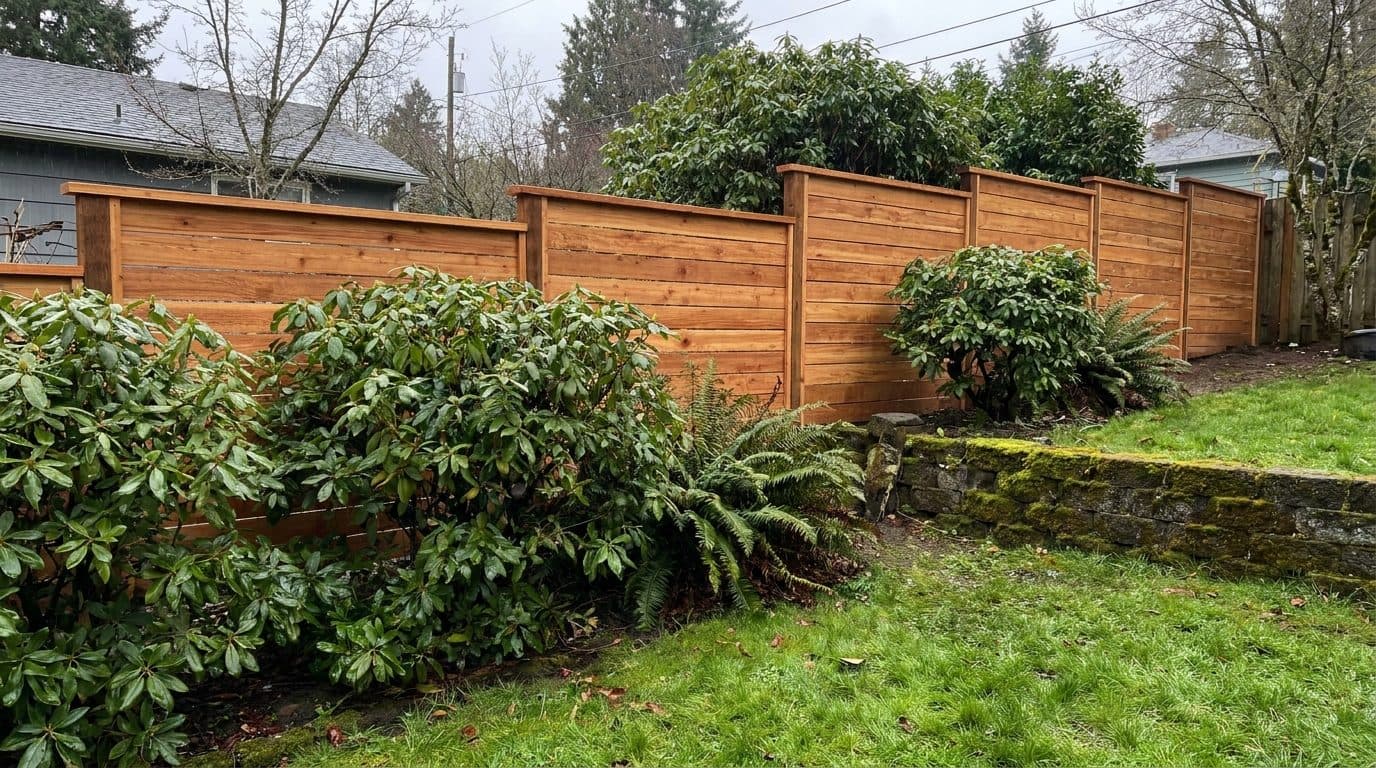
A new cedar fence with warm reddish boards and a cap rail, in front of green shrubs.
★Free Estimates · 5-Year Warranty

Cedar Fence Installation in Portland, OR & the Metro Area

  • Western red cedar, the local favorite
  • Kicker boards keep rot off the ground
  • Work checked before we leave
Free
Written estimates
5 years
Workmanship warranty
4.9
Rating from 200+ reviews
Licensed
Bonded & insured

Recent Cedar Fence Jobs in Portland

Finished jobs from our crew.

Cedar Fence in Rose City Park, Portland+2 photos

Rose City Park, Portland

Cedar Fence

September 2026

Cedar fence along the side and back of a corner lot, with a clear sealer so the wood keeps its color.

★★★★★Homeowner rated our work 5 out of 5

★★★★★Nina R.

“Smells and looks amazing. They answered every question we had.”

Is a Cedar Fence Right for Your Portland Yard?

Good reasons to choose cedar

You want full privacy with a natural wood look
Your neighborhood is mostly wood fences already
You'd like a horizontal or modern style
You want a fence you can repair board by board
You plan to stain it — or let it go silver
An old cedar fence needs a section rebuilt

Why Cedar Is the Portland Standard

The Northwest's go-to fence wood, built to handle a wet climate — privacy, horizontal, picket and good-neighbor styles across Portland, Lake Oswego, Tualatin, and surrounding communities.

Walk any Portland neighborhood and most of the backyard fences you see are cedar. Western red cedar grows in the Pacific Northwest, it is light and easy to work, and it holds up to damp weather better than most softwoods. It also stays fairly straight as it dries, so the fence keeps clean lines.

Cedar's natural oils help it resist rot and insects, but it is not rot-proof. The weak spots are the same on every cedar fence: the posts at the ground line, and the bottom edge of the boards where moss, leaves and splash-back keep wood wet. Building around those two spots is what makes a cedar fence last.

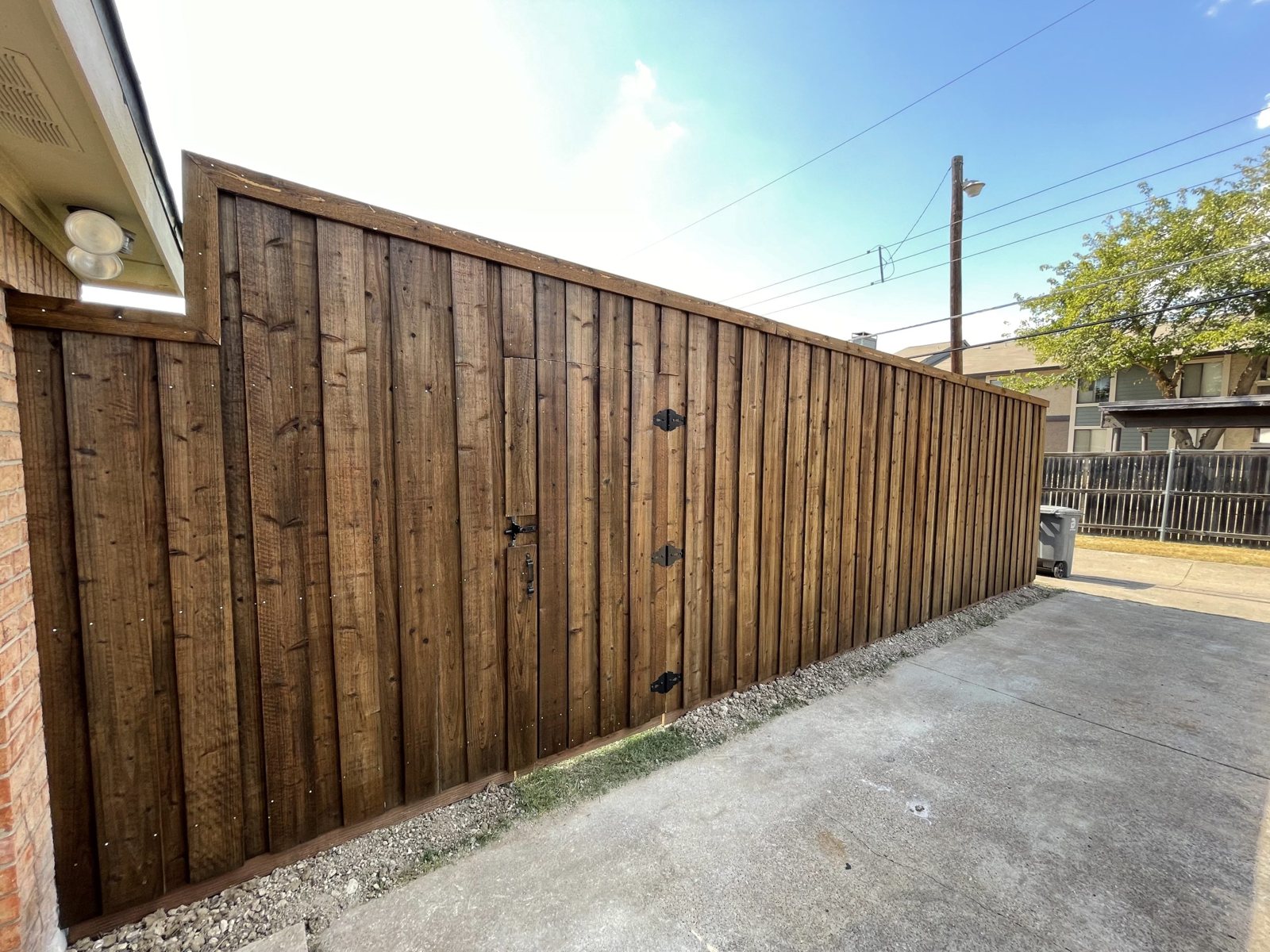
We build cedar fences in the styles people ask for most: solid privacy with a top cap and trim, good-neighbor fences that look finished from both sides, horizontal board fences with a modern look, lattice or slat toppers for a little extra height and light, and lower picket fences for front yards.
How We Build a Cedar Fence to Last in a Wet Climate

Most failures start at the posts. Cedar boards are often paired with ground-contact rated posts or galvanized steel posts, because the post is the one part that lives in wet soil year round. Each post hole gets gravel in the bottom for drainage, and the concrete is shaped to slope away from the post so rain runs off.

At the bottom of the fence, a kickboard (sometimes called a rot board) runs along the ground so the boards above it stay out of the dirt. When the kickboard eventually weathers, it can be swapped out without touching the rest of the fence. A top cap and trim board help shed rain off the top edge of the boards, too.

Hardware matters in a wet climate. We use exterior-rated, corrosion-resistant fasteners so they don't streak the wood or rust through. Cheap nails are one of the reasons an old fence starts dropping boards.

Staining a Cedar Fence, or Letting It Weather

Bare cedar starts out warm reddish-tan and weathers to silver-gray within a few seasons. Some people love the silver look and leave it alone. Others want to keep the warm color, which means a penetrating stain or sealer.

New cedar boards should dry out before they are stained, and in Portland that usually means waiting for a dry stretch in the warmer months. After that, a re-coat every few years keeps the color and slows moss and mildew. Stain is not required for the fence to do its job — but it does help the boards shed water and stay nicer looking longer.

Cedar Fence Repair

One advantage of cedar is that a fence can be fixed in pieces. A rotted post, a split board, a broken rail or a sagging gate can each be repaired without tearing out the whole run. New cedar starts lighter than old boards, but it weathers toward the same color over time.

When the posts are failing all down the line, though, rebuilding usually makes more sense than chasing one post at a time. We'll look at the whole fence and tell you which way we'd go.

Cedar Fence vs Pressure-Treated Pine

Cedar

Look
Warm color, fine grain, weathers to silver
Stability
Stays fairly straight as it dries
Rot resistance
Natural oils resist rot and insects
Best use
Boards, rails, caps and trim you see every day

Pressure-Treated Pine

Look
Greenish or brown tint at first; plainer grain
Stability
More prone to twisting and checking as it dries
Rot resistance
Chemical treatment; ground-contact grades exist
Best use
Posts and hidden framing, not usually the face

How a Cedar Fence Installation Works

1

Pick the style

Privacy, good-neighbor, horizontal, picket or a topper

2

Written estimate

Height, layout, gates and post type in writing first

3

Locate and layout

Utilities marked, fence line strung and checked

4

Set posts to drain

Gravel base, concrete sloped away from the wood

5

Build and walk through

Rails, boards, cap and gates; final walk with you

What Affects the Cost of a Cedar Fence

Every yard is a little different. These are the choices and conditions that change the price.

  • Height and length

    Taller and longer fences need more posts, rails and boards.

  • Style

    Good-neighbor, horizontal, cap-and-trim and lattice toppers use more lumber and labor than a plain dog-ear fence.

  • Board grade

    Clearer cedar with fewer knots looks cleaner and costs more than standard grades.

  • Post type

    Galvanized steel posts cost more up front but don't rot in wet soil.

  • Gates

    Each gate adds framing, hardware and heavier posts.

  • Staining

    Adding stain or sealer once the wood has dried is a separate step.

  • Old fence removal

    Taking out and hauling away an old fence adds time.

Every cedar fence starts with a free written estimate, before any work begins.

Why Portland Homeowners Call Us for Cedar

Written estimate before any work begins

Style, height and posts spelled out first

5-year workmanship warranty

Covers every fence we build

Licensed, bonded & insured

Protection for you and your property

4.9 rating from 200+ reviews

From homeowners across the metro

Licensed, bonded & insured

Cedar Fence Questions

How long does a cedar fence last in Portland?
It depends mostly on the posts and how well water drains away from the wood. A fence with well-set posts, a kickboard and periodic stain lasts much longer than one with posts in soggy soil and boards touching the ground.
Do I have to stain my cedar fence?
No. Bare cedar weathers to silver-gray and still does its job. Stain keeps the warm color, helps the boards shed water, and slows moss and mildew.
How soon can a new cedar fence be stained?
Once the wood has dried out. In the Portland area that usually means waiting for a dry stretch in the warmer months. We can tell you when your boards are ready.
Are the posts cedar too?
They can be, but posts are the part that sits in wet soil, so many fences use ground-contact rated posts or galvanized steel posts hidden behind the boards. We go over the options in the estimate.
What is a good-neighbor cedar fence?
It's a style that looks finished from both sides — boards alternate sides of the rails, or the rails are hidden. It's a popular choice when the fence runs along a neighbor's yard.
Can you match my existing fence?
We match board size and style. New cedar starts lighter than weathered boards and evens out over time, or sooner if both are stained.

Cedar Fences Across the Portland Metro

Get a Free Estimate for a Cedar Fence

Written estimate before any work begins.